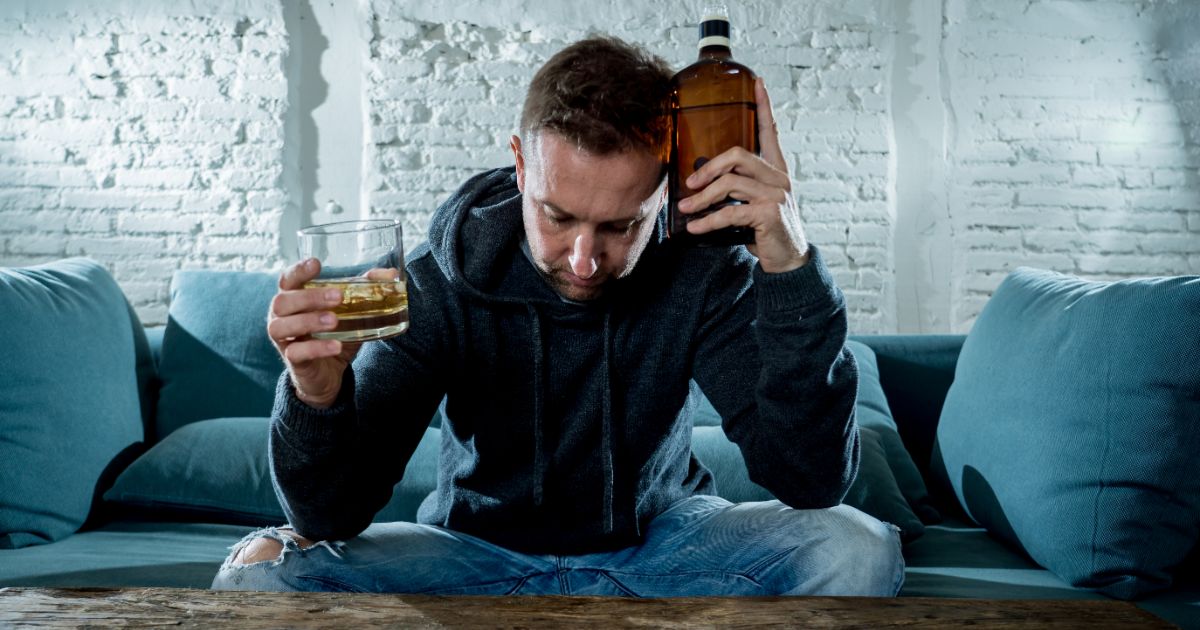
Outpatient Drug Rehab Programs
You're considering outpatient drug rehab, a flexible and structured treatment path that lets you manage daily life while receiving care. By focusing on evidence-based therapies like Cognitive Behavioral Therapy, these programs support your personal growth and offer community connection. They’re cost-effective and provide continuity, vital for long-term recovery. But how do you choose the right program tailored to your needs? Let's explore the essential aspects that could shape your journey.
What Is Outpatient Drug Rehab?
Outpatient drug rehab is a flexible treatment option that allows individuals to continue their daily lives while receiving support for substance use disorders.
You’ll find that outpatient care provides a structured environment where you can attend therapy sessions, group meetings, and educational workshops at scheduled times. This approach emphasizes treatment flexibility, making it possible for you to balance work, family, and recovery commitments.
In outpatient programs, evidence-based therapies like cognitive-behavioral therapy (CBT) and motivational interviewing are often used to address underlying issues and promote lasting change.
With compassionate care, you’ll engage with professionals who understand the complexities of addiction. They’ll guide you on your path to recovery, ensuring personalized strategies that align with your unique needs and lifestyle, all while maintaining accountability and support.
Benefits of Outpatient Drug Rehab Programs
One of the significant benefits of outpatient drug rehab programs is their ability to offer flexibility while maintaining rigorous treatment standards. You can schedule sessions around work or family commitments, making it easier to balance recovery with daily responsibilities. These programs provide access to community support, fostering a network of peers and professionals who understand your journey. This approach is rooted in evidence-based practices that enhance your recovery outcomes.
| Benefit | Description |
|---|---|
| Flexible Scheduling | Adjust sessions to fit your lifestyle. |
| Community Support | Connect with peers and professionals. |
| Personalized Treatment | Tailored care to meet individual needs. |
| Cost-Effective | Often more affordable than inpatient. |
| Continuity of Care | Ongoing support without disruption. |
This structure empowers you to take control of your recovery, promoting long-term success.
Integrating Rehab With Daily Life
Successfully integrating rehab with daily life requires a strategic approach that blends treatment with everyday activities seamlessly. You’ll face scheduling challenges as you balance therapy sessions with work or family commitments.
It’s essential to create a structured routine that accommodates both, ensuring consistency and progress. Lean on support systems—they’re important for your recovery journey. Engage family and friends who understand your goals and can provide emotional and practical assistance.
Evidence shows that a strong support network boosts long-term success. Stay flexible and adjust plans as needed, recognizing that setbacks are part of the process. Use tools like calendars or apps to manage appointments and reminders, keeping recovery a priority.
Types of Therapies in Outpatient Rehab
When you're engaging in outpatient rehab, therapies like Cognitive Behavioral Therapy (CBT) and group counseling sessions play essential roles in recovery.
CBT helps you identify and change negative thought patterns, providing tools to manage triggers effectively.
Meanwhile, group counseling offers a supportive community, promoting shared experiences and fostering accountability.
Cognitive Behavioral Therapy
Our approach is rooted in clinical expertise and compassion, ensuring you feel supported while learning skills essential for recovery.
Group Counseling Sessions
Although individual therapy is essential, group counseling sessions in outpatient rehab offer a unique and powerful dynamic. You’ll find that these sessions foster support networks vital for recovery. Engaging with peers who share similar struggles helps you realize you’re not alone, which can be incredibly validating.
The session dynamics encourage open communication, allowing you to express your thoughts and emotions in a safe environment. Trained facilitators guide these interactions, ensuring the discussions remain constructive and focused.
Evidence shows that sharing experiences and coping strategies enhances personal growth and resilience. You’ll benefit from the diverse perspectives and collective wisdom of the group. This collaborative approach is key to building lasting recovery skills, providing a foundation for ongoing support long after treatment.
Choosing the Right Program for You
When selecting an outpatient drug rehab program, start by evaluating your personal needs, such as the severity of your addiction and any co-occurring mental health issues.
Evaluate treatment options by considering evidence-based therapies that align with your goals and lifestyle.
Assess Personal Needs
Choosing the right outpatient drug rehab program requires a thorough assessment of your personal needs, guaranteeing the best path to recovery.
Start by identifying your personal goals. Do you want to maintain employment while receiving treatment, or do you need flexibility to care for family? Understanding your individual circumstances is essential.
Evaluate your support system and consider any co-occurring mental health conditions. A clinical assessment can help pinpoint your specific needs, guiding the creation of a personalized plan.
Evidence-based strategies, like cognitive-behavioral therapy, can be tailored to fit your unique situation.
Evaluate Treatment Options
To effectively evaluate treatment options, consider the range of programs available to find the one that best aligns with your recovery goals.
Start by exploring different treatment modalities, such as cognitive-behavioral therapy, group sessions, or holistic approaches. Each modality offers unique benefits, so understanding these can guide your choice.
Evaluate program duration carefully. Some programs are short-term, lasting a few weeks, while others extend for several months. Your specific needs and the severity of your situation will help determine the appropriate length.
Seek evidence-based programs with proven success rates. These programs provide a solid foundation for recovery, ensuring you receive the highest standard of care.
Compassionate professionals will support your journey, empowering you to make informed decisions for long-term wellness.
Tracking Your Progress and Success
As you commence your journey through outpatient drug rehab, tracking your progress and success becomes essential for maintaining motivation and achieving long-term recovery.
Focusing on progress milestones and success indicators helps you stay on course. Here's how you can effectively track your journey:
1. Set Clear Goals****: Define what success looks like for you. This might include specific milestones such as reducing substance use or improving mental health.
2. Regular Self-Assessment: Use journals or apps to consistently evaluate your mood, triggers, and coping strategies.
This evidence-based approach provides insights into your progress.
3. Seek Feedback: Engage with your support network, including therapists and peers.
Their observations can offer valuable success indicators, reinforcing your commitment to sobriety.
Frequently Asked Questions
How Long Do Outpatient Drug Rehab Programs Typically Last?
Outpatient programs typically last from a few weeks to several months. You’ll find that the duration depends on factors like your personal progress and needs.
These programs offer flexibility, allowing you to continue daily activities while receiving treatment. Clinical expertise guides the approach, ensuring it's compassionate and evidence-based.
Regular assessments help tailor the program to your situation, promoting a supportive journey to recovery.
What Are the Costs Associated With Outpatient Rehab?
You’ll find that outpatient rehab costs vary based on location and services. Insurance coverage often helps, so check your plan’s details.
Payment options might include sliding scales or installment plans, making it manageable.
Clinically, these programs use evidence-based approaches to guarantee effective treatment.
Compassionate staff will guide you, explaining costs transparently, making sure you’re supported financially and emotionally throughout your recovery journey.
Can Family Members Participate in the Rehab Process?
Yes, family members can participate in the rehab process. Family involvement is essential, as strong support networks greatly enhance recovery outcomes.
You’ll find that including loved ones fosters understanding and healing. Evidence shows that when families engage, it can improve communication and reduce relapse rates.
A compassionate, evidence-based approach guarantees everyone learns healthy ways to support your journey, creating a more effective path to recovery.
Are There Specialized Programs for Different Substances?
Yes, there are specialized programs for different substances.
You’ll find substance-specific therapies that address unique challenges each substance presents. These programs use tailored treatment plans, ensuring you receive care that targets your specific needs.
Clinicians apply evidence-based strategies, offering a compassionate approach to help you on your recovery journey. This focused attention increases your chances of success, providing support that’s both expert and empathetic.
How Is Privacy Maintained in Outpatient Rehab Programs?
In outpatient rehab programs, they guarantee your privacy by following strict confidentiality protocols and adhering to privacy laws like HIPAA.
They train staff to protect your personal information, using secure systems to manage records. You’re encouraged to express concerns, knowing your details are safe.
This evidence-based approach respects your dignity and fosters a compassionate environment, allowing you to focus on recovery without worrying about your privacy.
Need help finding an IOP or PHP program? Call (866) 418-3591 for help finding outpatient treatment near you. Confidential and available 24/7.